
Sewer service decides where apartments get built in western Hidalgo County, and it decides before land price, rents or amenities do. Palmview is the example most developers here know: a $42 million wastewater plan with EPA funding was reported underway there, with up to 1,700 homes able to connect, after the city manager called it probably the largest suburban area in Texas without a wastewater collection system. A multifamily developer looking at land in that corridor should ask who owns the pipe before asking what the acre costs.
We build apartments, garden communities, podium projects and the mixed-use blocks that sit on commercial frontage in McAllen, Mission, Palmview and Hidalgo. Our clients are developers who need a clear unit-cost range early, an honest read on utilities and flood rules, and a schedule that works with phased lease-up.
The rest of this page describes how we price, sequence and deliver multifamily work for the owners who hire us, and where the local conditions in this part of the Valley change the answer.
Apartment budgets are won or lost on repetition. The same slab, the same framing package and the same plumbing stack get built dozens of times, so any scope we coordinate tightly on a multifamily site pays back quickly. We take on site concrete, flatwork and carpentry directly, which gives you a single point of control over the trades that determine whether buildings go up on time. We subcontract the specialty trades but keep supervision in house, because a missed inspection on building three delays buildings four through nine.
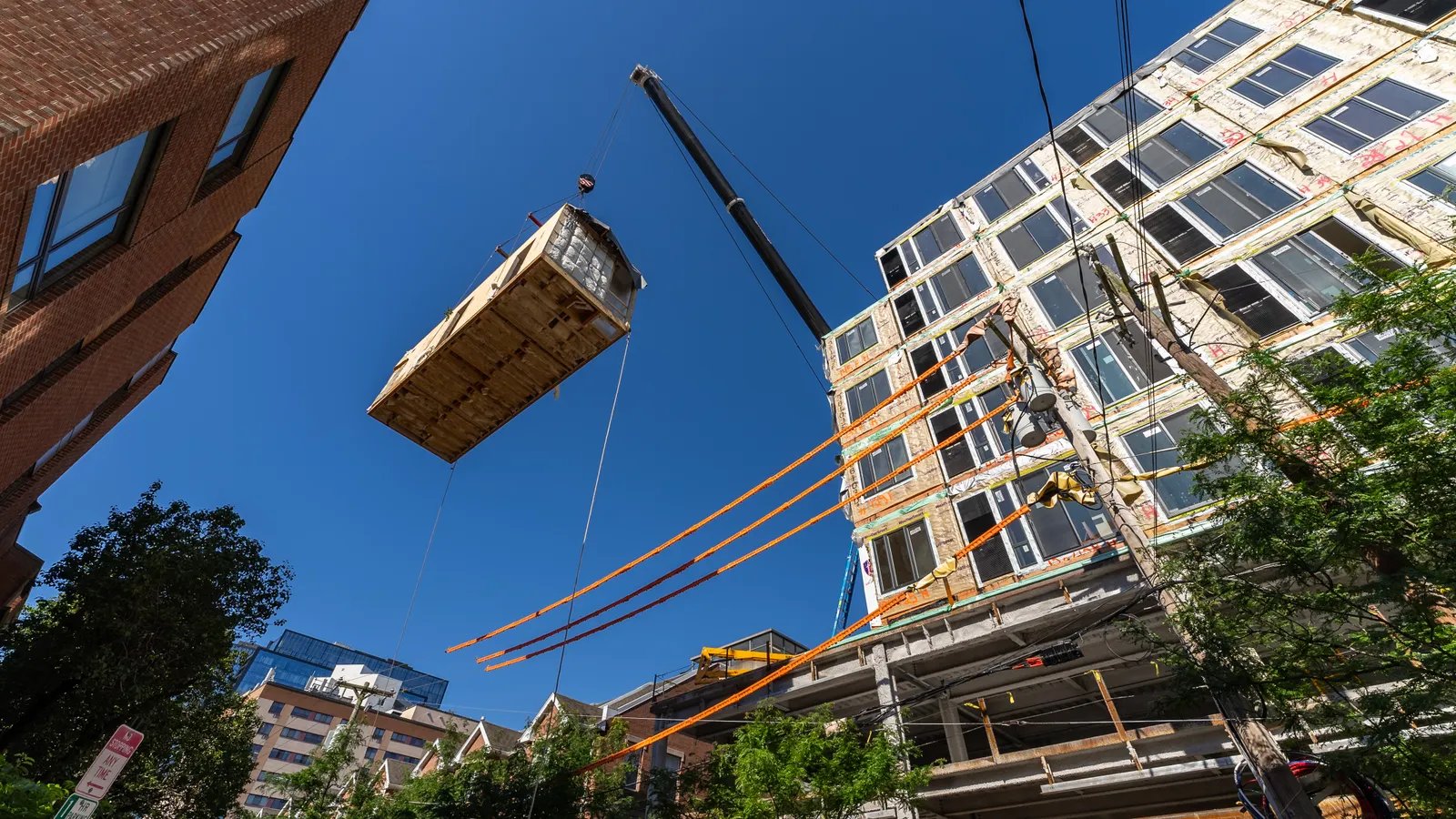
For larger projects with structured parking or ground-floor retail, our podium and wrap construction experience matters. These buildings combine a concrete base with wood or light-gauge framing above, and the transition slab is where a schedule breaks if sequencing is wrong. We coordinate the structural engineer, framing contractor and waterproofing early so the deck is ready when the framers arrive.
Apartment sites tend to be flat and low, and flat ground in this county drains slowly. When Hurricane Hanna passed in July 2020, the weather service reported roughly 18 inches to 4 feet of standing water in parts of Mission and La Joya because of poor drainage, and the county's drainage district manager said its system was originally agricultural and had not been designed for that volume. The same system takes about 48 hours to move normal storm water and took days after Hanna. A developer needs to know what the outfall can accept before committing to a unit count.
Our site development and utilities team prices detention, grading and utility extensions as separate lines, so the cost of an undersized outfall shows up in the estimate instead of in change orders. The county's floodplain order for unincorporated land also requires a development permit and refers to a federal flood study, so we check whether the parcel is inside a hazard area before it appears in your pro forma.
Which code applies depends on the city. McAllen adopted the 2024 International Code Council codes and the 2023 National Electrical Code, effective January 1, 2026. The City of Hidalgo's published permit checklist, in its 2020 form, refers to the 2015 International Codes and the 2014 electrical code, asks about flood zone status and requires a certificate of occupancy before anyone moves in. Texas law lets each city decide whether to adopt later editions, so a developer with sites in two cities may be building two different code books.
We confirm the current edition with each building department before we price, and we ask your architect to state it on the drawings. Unincorporated land follows county floodplain rules rather than a city code. When a site straddles the boundary, we set up a pre-application call with both offices and write the result into the schedule. The multifamily apartment construction crews we coordinate walk every building against the unit-level items inspectors check, from fire blocking to accessible units, before the call goes in.
Developers do not collect rent until a building has a certificate of occupancy, so we phase work to get the first buildings finished while later ones are still framing. That means pulling utilities, paving and the clubhouse forward, even though it feels backward, because a leasing office and a model unit let you pre-lease. We schedule the first building with the full site infrastructure and a finished fire lane so the fire marshal can sign it off while neighboring buildings are open to construction traffic.
Mixed-use and redevelopment sites need extra care. One city plan reported in 2018 involved 112 acres in Hidalgo with cold storage, 140 apartment units and commercial space along 10th Street, which shows how apartments are being mixed into larger commercial schemes here. When a residential phase shares an access road with commercial development, we write construction access and delivery windows into the schedule up front.
Apartments follow jobs. Employment in Hidalgo and Mission is tied to the ports of entry, distribution parks and healthcare, and a developer who understands those centers of demand can site a project where renters are already commuting. We build across those fields, so we can talk about your tenant base from a builder's view. Our logistics and distribution work, for example, sits a few miles from the Mission and Hidalgo corridors where workforce housing is wanted.
If your project includes a retail or restaurant pad, we can price it with the residential scope or separately. For projects in western Hidalgo County we look at the Mission and Hidalgo markets in the same package, and the mixed-use construction team we coordinate handles ground-floor commercial under residential floors.
Send us the parcel, the target unit count and the delivery date you need. We will tell you what the utilities and drainage look like, what the schedule could be and the two or three items likely to change the cost.
Ask the utility that owns the line, not only the seller, and get a written will-serve letter that states capacity. Some suburban areas in western Hidalgo County have lacked collection systems altogether, and extending service can cost more than the land. We review the letter, price the extension and tell you whether the unit count still works.
The county floodplain order covers unincorporated areas of special flood hazard, requires a development permit and refers to the federal flood study. The copy we reviewed had no adoption date, so we confirm the current version and any freeboard requirement with the county before design. Inside a city, the city's own rules and permit form apply.
Yes. We usually build the infrastructure and a first group of buildings, then release later phases as leasing starts. That requires temporary fire access, separated construction traffic and clear utility stubs. We price each phase so lenders can fund them in order.
A podium adds the transfer slab, structured parking and waterproofing, which can add months compared with garden-style buildings. The cost is justified when land is expensive or parking must be hidden. We compare it against a surface-parked layout so you can see the difference.
It depends on the city. McAllen adopted the 2024 codes in January 2026, while Hidalgo's published checklist from 2020 lists older editions. We confirm with each building department and note the edition on the drawings so the review is predictable.