
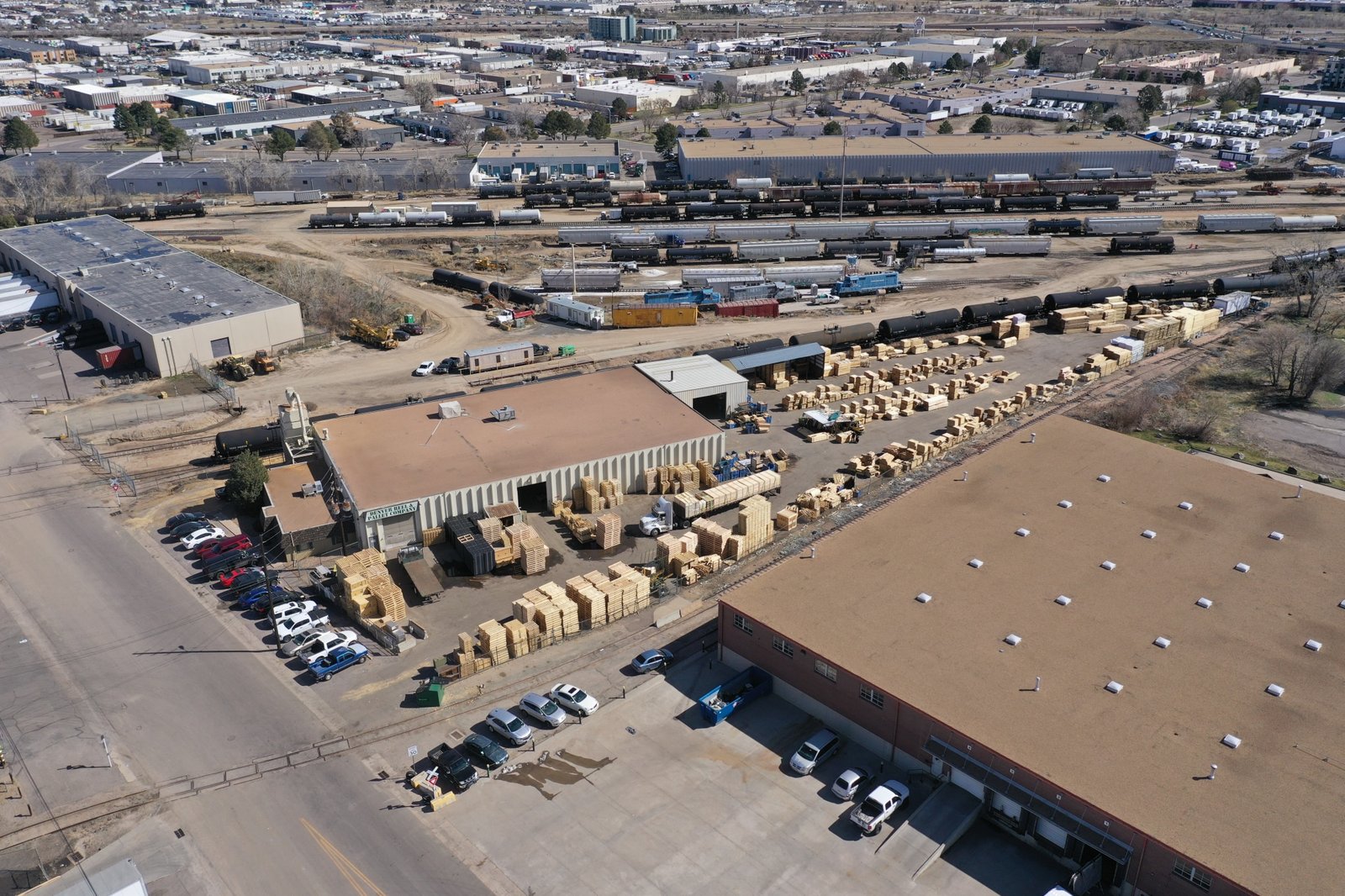
A developer in McAllen is usually carrying three clocks at once: the lender's draw schedule, the tenant's opening date and the city's review calendar. Land along Interstate 2 and US 83, the city's main east-west artery, is the obvious place to hold a pad, but the pad only pays when a building shows up on it at the right time and at a price the pro forma can survive. We build for the owners who control that spreadsheet.
Our work for commercial real estate developers starts earlier than most builders expect. Before drawings are final we put a sequence and a price range in front of you, and we mark the two or three items most likely to move the number: site utilities, the tenant mix that sets the parking count, and the length of the plan review. Everything else tends to follow from those.
That approach suits a market where the trade area is still growing outward from the loop highway and where a shell and core delivered a month late can cost a tenant its holiday season. What follows is how we handle procurement, funding draws, schedule and compliance for developers in McAllen and western Hidalgo County.
McAllen has a more varied development map than a single retail strip suggests. The metropolitan area is reported to hold 16 industrial parks serving over 150 companies, which means a developer here can choose between a retail pad, a flex building and a distribution shell without leaving the same trade area. The city also announced a plan in October 2025 to redevelop a 70 acre reservoir site near the convention center into a mixed-use district with housing, retail and hospitality, and that project was still in planning and design when it was reported. Sites like that reward a builder who can price phases before the master plan is final.
Retail corridors, the medical district and industrial land each follow different leasing rules, so we do not treat them as one market. Our retail chain clients want visibility and parking ratios, our logistics and distribution clients want truck courts and dock counts, and a speculative developer has to guess which of them will sign. We help you decide how much to build before the lease exists and how much to hold back.
On a speculative shell, three lines drive the number more than anything else: site work and utilities, the structural system, and the size of the tenant improvement allowance you plan to offer. Site work in this part of the Valley is mostly about drainage. The county drainage system was originally agricultural, and its manager has said it was not designed for storms of the size Hurricane Hanna brought in July 2020, so detention volume and outfall approval can add real cost. We price that early, not after the civil drawings are sealed.
We would rather give you a range with stated assumptions than a single figure that looks precise and moves later. If you are weighing a tilt-wall shell against a steel frame, or a single large building against two phased ones, we price both so the comparison rests on numbers. Our preconstruction estimating work is built for exactly that kind of choice, and it usually pays for itself before a footing is dug.
Developers rarely self-fund a whole project, so the way we bill matters. We structure the schedule of values to match your lender's draw inspections, front-load nothing we cannot support, and keep a running log of stored materials so a draw is not held up over a switchgear line item. Where a lender requires lien waivers or a title company needs conditional releases, we have them ready on the draw date and not a week after.
Procurement is the other pressure point. Electrical gear, rooftop units and storefront systems carry long lead times, and a developer who waits for a signed lease to order them loses weeks. We flag the long-lead items at the first estimate and, when it makes sense, recommend releasing them early under a limited notice to proceed. Our long-lead procurement approach explains how we track those orders against the building schedule, and it is the first thing we review with a developer who is trying to hit a tenant's opening date.
The cleanest developer schedules separate the shell from the tenant work. We deliver the shell and core on a fixed date, then hand over the space so a tenant's contractor, or ours, can finish the interior. That split keeps one tenant's late design from holding up the rest of a center. On a multi-tenant project we write the turnover dates into the schedule so you can quote them in lease negotiations without guessing.
Weather matters here more than a calendar suggests. Rain can stop earthwork for days, and Hanna dropped more than 12 inches at gages near McAllen, so we build float into the site package instead of the roof. We also use the city's Saturday inspections, started in December 2025 for rough-in plumbing, foundation and insulation, when a pour or a close-in is waiting on a sign-off. A Saturday inspection can save a pour that would otherwise slip a full week.
McAllen finished a comprehensive update of its Unified Development Code that encourages mixed-use projects and streamlines permitting, and the city has begun citywide rezoning with fees waived under that effort. For a developer holding land with an awkward zoning, that is worth a conversation before you finalize a site plan. The city's building department handles plan review, permitting and inspections, takes applications through an online portal, and keeps separate forms for commercial, sign, generator and demolition work.
On the code side, the city adopted the 2024 International Code Council codes and the 2023 National Electrical Code, effective January 1, 2026. Texas law sets the 2012 International Building Code as the municipal floor and lets each city adopt later editions, so a project in a neighboring city may be reviewed under a different edition. We confirm the edition with the building department for every site, and we coordinate with your architect through permitting and entitlements so comments come back once, not three times.
Send us the site, the target tenants and your opening date. We will return a phased sequence, a price range with the open items marked, and a plain list of what could change the number. Call or send the plan set and we will start there. For office or mixed-use programs, see our office building work as well.
Before the civil drawings are sealed, ideally while you still have two or three site layouts under consideration. Drainage, utility extensions and parking counts are the lines that move a budget, and they are cheapest to change on paper. We price each layout so you can compare real numbers, and we tell you which option leaves room for a second phase.
Yes. We set the schedule of values to match the lender's inspection points, document stored materials, and have lien waivers ready on the draw date. If your lender uses a third-party inspector, we meet them on site and walk the work so the draw is approved on the first visit.
It depends on how much of the trade area is already committed. A shell with a clean dock or storefront layout can lease faster than raw land, but only if you control the long-lead items. We usually price a shell, a shell with partial site work, and a pad-ready option so you can see how much capital sits idle in each.
The updated code encourages mixed-use and streamlines permitting, and the city has started citywide rezoning with fees waived. If your parcel is a candidate, rezoning first can unlock a better use before you commit to plans. We check the current zoning and the code edition with the city before pricing.
We carry weather float in the site package and sequence the work so that utilities and detention go in first. After a large rain the ground needs days to firm up, so we hold back the pavement until the base is ready. You will see those assumptions listed in the estimate, not hidden.