
Wastewater service decides where apartments can go. A multifamily project places hundreds of people on a single lot, and the sewer, water and storm systems have to be sized for that load before anyone discusses finishes. In western Hidalgo County, where some fast-growing areas have lagged behind utility service, the first question we ask on any apartment site is simple: what is the utility plan, and who pays for it?
We build garden-style apartments, three- and four-story walk-up communities, townhome rental clusters and larger podium buildings, for developers, investors and housing groups that want a dependable builder with a clear schedule. The work includes the site, the buildings, the clubhouse, the pool and the amenity spaces, and the handoff to property management.
Apartments are a repetition game. A unit type is drawn once and built a hundred times, and the cost and schedule come from how well that repetition is managed: a framer who moves from building to building, a rough-in team that knows the plumbing stack and an inspection routine that never lets one building hold up the next.
A KRGV report in November 2018 quoted Palmview's city manager calling it probably the largest suburban area without a wastewater collection system in Texas, and described a $42 million plan, overseen by Agua Special Utility District with EPA funding, with up to 1,700 homes able to connect. It illustrates a larger lesson: housing in this part of the Valley often grows first and utilities follow. Apartment owners need to confirm service capacity before they price land.
A KTXS report from December 2018 described a redevelopment of 112 acres in Hidalgo with over 100,000 square feet of cold storage, 140 apartment units, commercial areas along 10th Street and about 200 immediate jobs, according to the city manager. Mixed plans of that kind show how apartments can be one piece of a larger site. Developers working in Palmview or planning to build along the western corridor should ask us for a utility-first feasibility check.
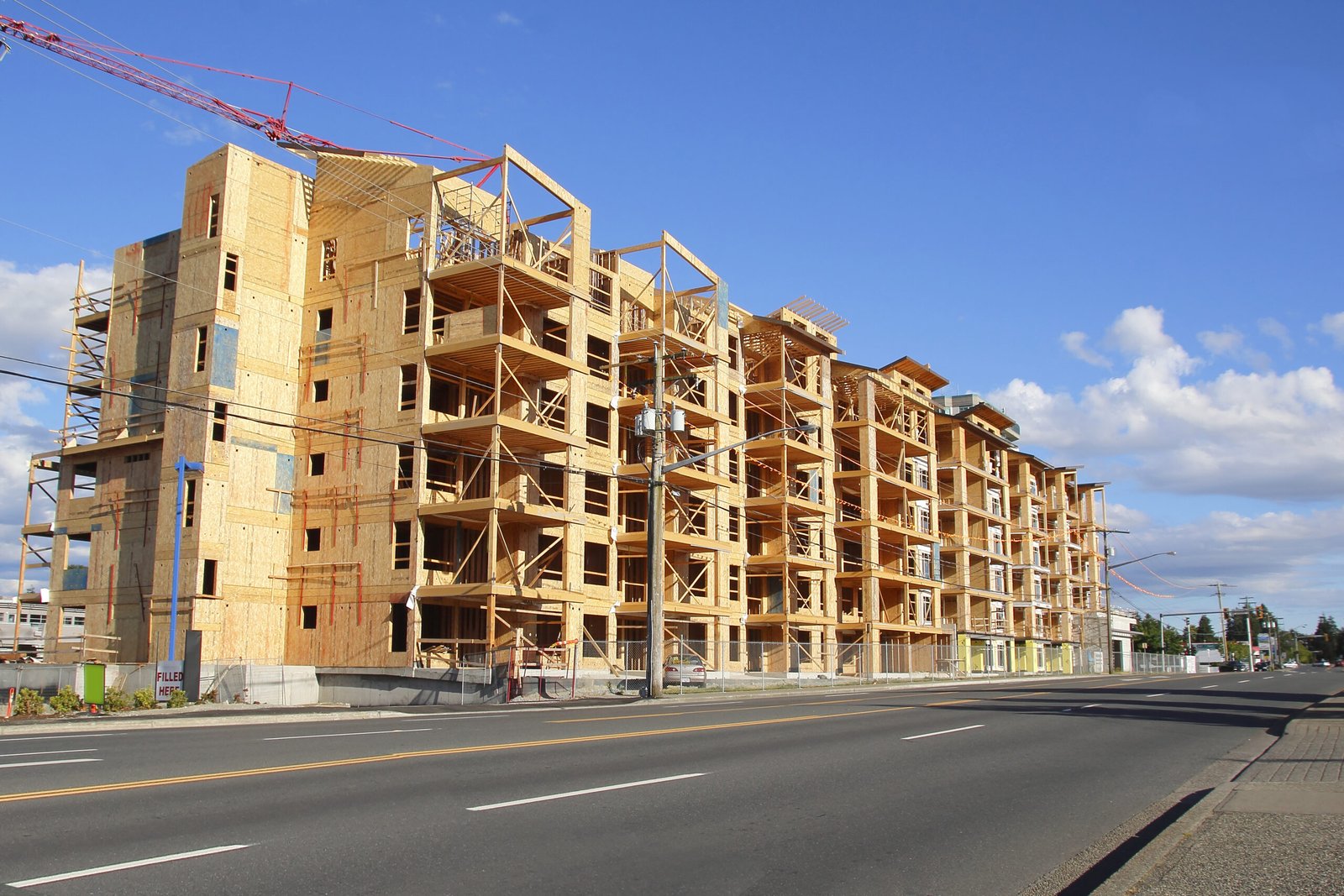
We organize apartment construction as a production line. Foundations are poured in a sequence that keeps framing crews moving, framing finishes in one building as the next is ready, and trades follow in a steady pattern: rough plumbing, electrical and mechanical, then insulation, drywall, finishes and fixtures. A superintendent oversees each group of buildings and holds a short daily meeting so problems are solved quickly.
Quality control is built into that routine. We inspect each trade's work before the next begins, since a defect hidden behind drywall costs far more to correct than one caught at rough-in. Mock-up units are completed early so the owner and operator can review finishes and layouts. Our project teams check each building for water intrusion paths, fire blocking and sound separation, three areas where multifamily buildings have the most claims.
The land does more work than owners expect. National Weather Service totals from Hurricane Hanna in July 2020 include 12.66 inches at a gage northeast of McAllen, and the Hidalgo County Drainage District has said the county system was originally agricultural and not designed for such events. An apartment community with large paved areas and roofs must manage stormwater carefully, so detention, grading and finished floor elevations get attention in our first meetings.
Density comes next. More units per acre lowers land cost per door, but pushes the building taller, adds parking pressure and increases fire requirements. We run options for the site, including garden, walk-up and podium layouts. Amenities, from a pool to a clubhouse to a dog park, have a cost and a leasing benefit, and we help owners choose them with a budget in mind. For denser projects, our podium wrap approach is worth considering.
McAllen has adopted the 2024 International Code Council codes with the 2023 National Electrical Code, effective January 1, 2026, and the city reported in December 2025 that it completed a comprehensive update of its Unified Development Code to encourage mixed-use projects, streamline permitting and add environmental standards, with citywide rezoning started and fees waived under that effort. Owners considering an apartment site should ask the planning staff whether the new code and rezoning change their path.
Plan review runs through the city's Building Permits and Inspections Department, which has separate forms for residential and commercial work. Larger apartment communities may fall under commercial review, and the Texas accessibility rules also apply, so we confirm the correct path with the city at the outset. Where a site lies outside city limits, we check county rules and any floodplain development permit before design is complete.
Lease-up is where apartments make money, and a late first building means vacant units and carrying costs. We plan the order of buildings so the first one, the leasing office and the amenities are finished early, letting the owner begin leasing while the rest of the community is built. Each building is turned over with a certificate of occupancy as it is finished.
The city's Saturday inspections, which began in December 2025 for rough-in plumbing, foundation and insulation, help a repetitive schedule. When a dozen foundations are poured within weeks, the ability to request a weekend inspection can keep crews moving. Multifamily developers often ask us for this kind of schedule detail early, since lenders want to see it.
Not every apartment community is the same. Garden-style complexes have surface parking and a lower density, walk-ups are compact and economical, and podium projects stack apartments above a parking base. Some owners specialize in age-restricted housing, for which we have a dedicated senior living construction practice, and others in housing near campuses.
A development may also include retail or office at its front, which brings in our mixed-use construction approach and our page on multifamily and mixed-use buildings. In Mission and the western suburbs, a site's access to Interstate 2 or US 83 often drives the choice of building type.
Most of an apartment budget sits in the building: framing, mechanical, plumbing, electrical and finishes. The site comes next, with utilities, paving and drainage. Land and financing complete the owner's picture. We put effort into the items that scale with the number of units, since a small saving on a unit type multiplies across the community.
The three that move the number most are the structural system and building height, the utility extension and detention requirement, and the finish package. We give a range for each early in preconstruction and describe the choice behind it. Because rents have to cover the cost, we help owners decide where durability is worth paying for and where a simpler product will do.
Send us the parcel, the unit count and your lender's schedule. We will return a utility-first feasibility review, a range and a building sequence.
Ask the utility provider for a will-serve letter and the capacity at the nearest main, then have an engineer size what the project needs. We can help with that early check. In some western Hidalgo County areas, extending service is a large part of the cost, so it belongs in your land decision.
Walk-up and garden-style buildings are usually the most economical per unit, because they use light wood framing and surface parking. Podium and taller buildings cost more per unit but make sense when land is expensive or dense zoning allows it.
Yes. We sequence the leasing office, the amenities and the first buildings so they finish early, then hand over remaining buildings in stages with a certificate of occupancy for each. The temporary fencing and safe access are part of our plan.
We grade for positive drainage, size detention to meet the requirements, and set finished floors above the surrounding grade. Local drainage history, including Hurricane Hanna's rain, makes us conservative about this.
The city reported that it updated its Unified Development Code to encourage mixed-use projects, streamline permitting and add environmental standards. Talk to planning staff before you commit, since rezoning with waived fees was announced as part of the effort.